Escaping the Heat: China's Coolest Summer Refuge
- Author: Helen Si
- Published: June 28, 2026
- Tags: Asia, China, Summer escapes
As Western Europe swelters under another suffocating heat wave, many people are dreaming of cooler horizons. Interestingly, the same phenomenon is taking place on the other side of the world. My parents live in Shanghai, where summer arrives with weeks of relentless humidity and rain before giving way to scorching temperatures.
While I struggle to cool down my Parisian apartment, my parents have escaped to their summer home in Qinghai Province. There, they enjoy crisp mountain air, vast open landscapes, and temperatures that rarely require more than a light jacket. Seeing their photos made me realize that Qinghai might be the perfect destination to introduce to my fellow Europeans currently searching for a breath of fresh air.
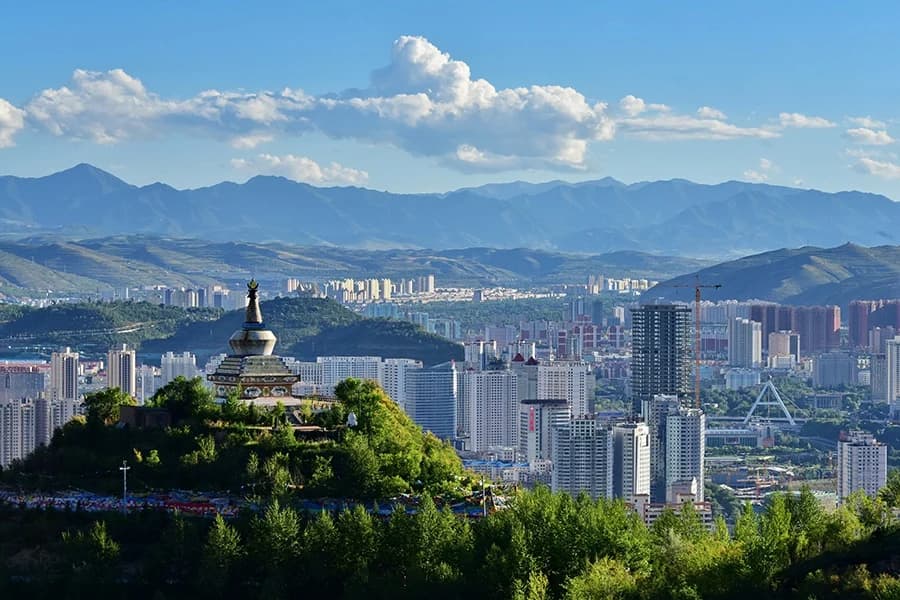
Located on the northeastern edge of the Tibetan Plateau, Qinghai is one of China's most spectacular provinces. Thanks to its high elevation, it enjoys cool, dry summers that attract visitors from the sweltering cities of eastern China.
The provincial capital, Xining, where my parents' summer home is located, offers all the comforts of a modern city. Yet what truly makes Qinghai special lies beyond its urban centers. In a single province, one can find landscapes reminiscent of Switzerland, Mongolia, the US mid-west and Central Asia — all without leaving China.
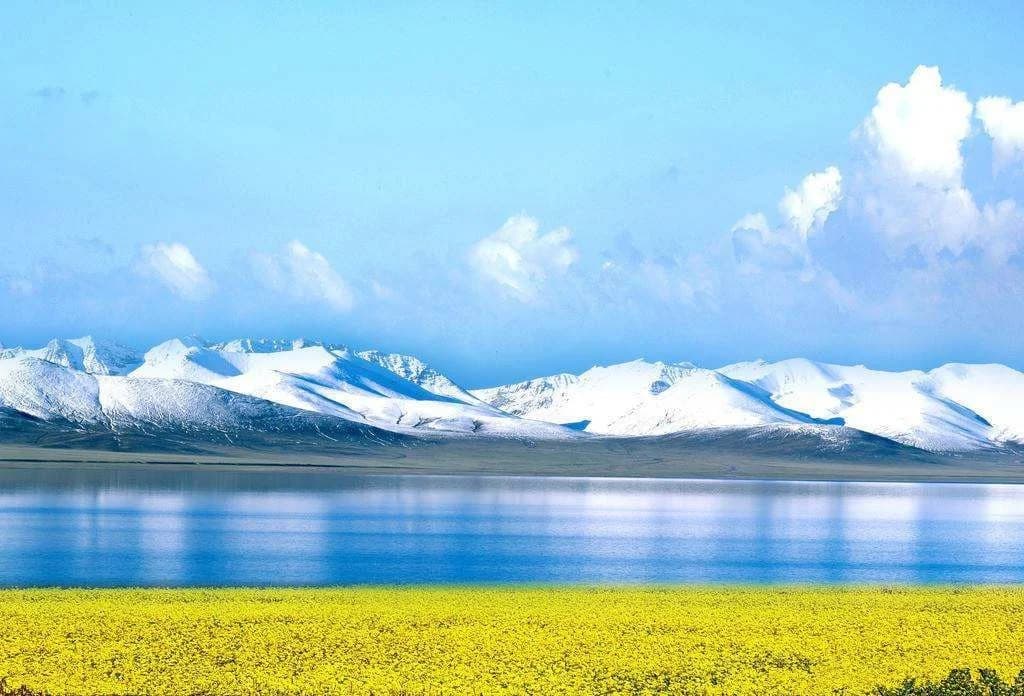
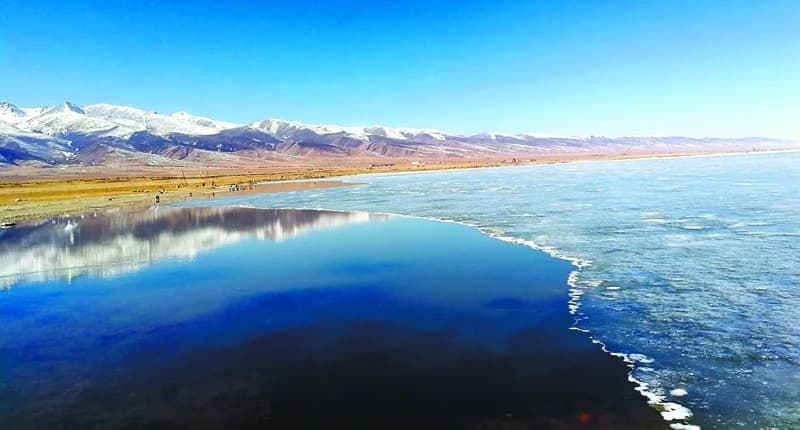
Qinghai Lake: The Lake Closest to Heaven
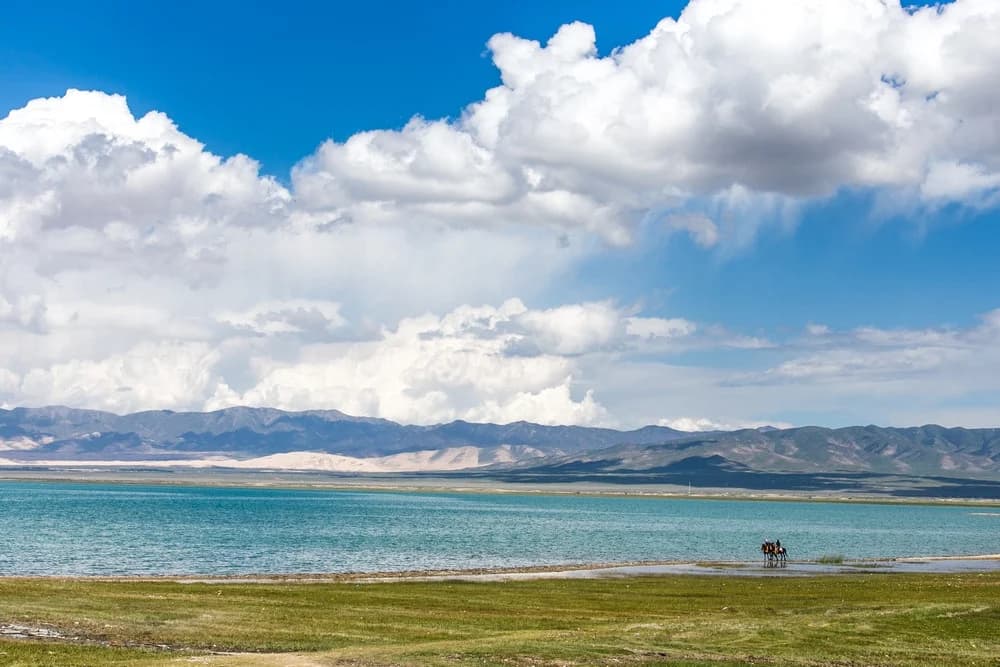
West of Xining lies Qinghai Lake, China's largest inland saltwater lake. Sitting at over 3,200 meters above sea level, it is surrounded by snow-capped mountains, vast grasslands, and, in summer, brilliant fields of yellow rapeseed flowers.
The lake's deep blue waters, endless horizons, and abundant birdlife create a sense of tranquility that is increasingly rare in our crowded world. Standing on its shores, it is easy to understand why locals often describe it as a place where the earth feels closest to the sky.
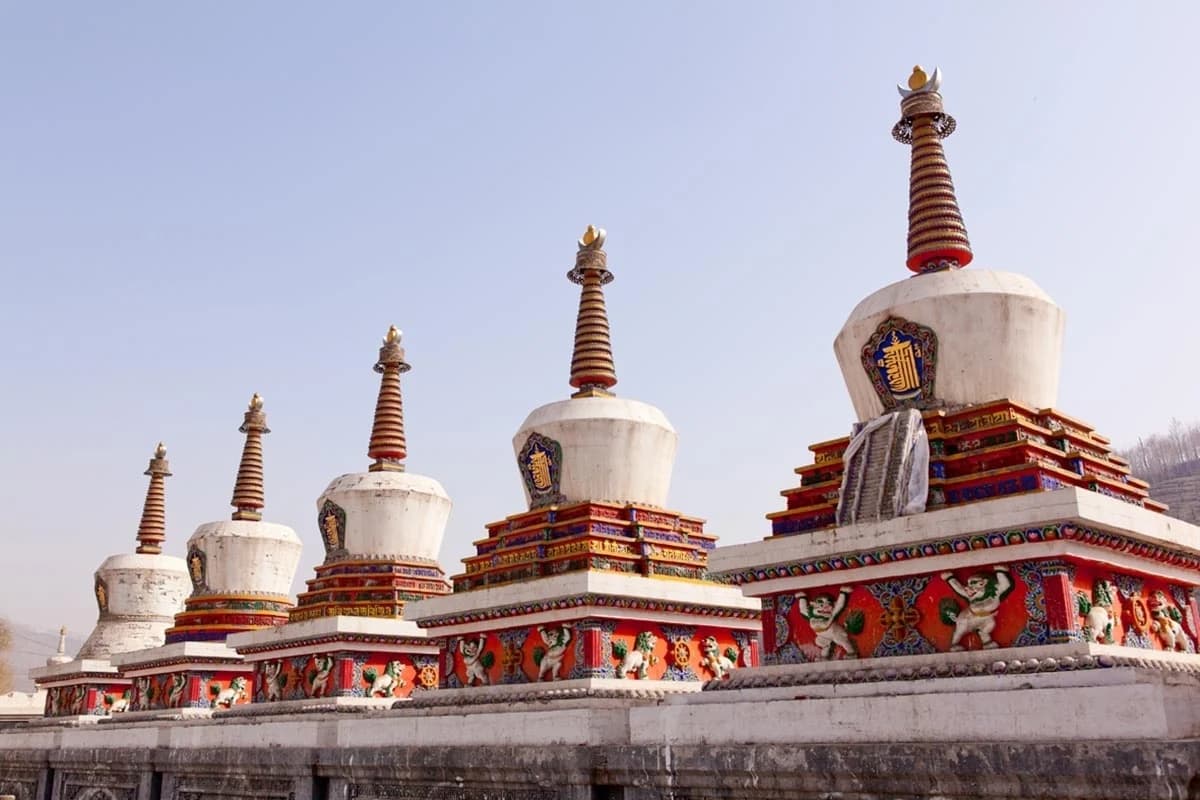
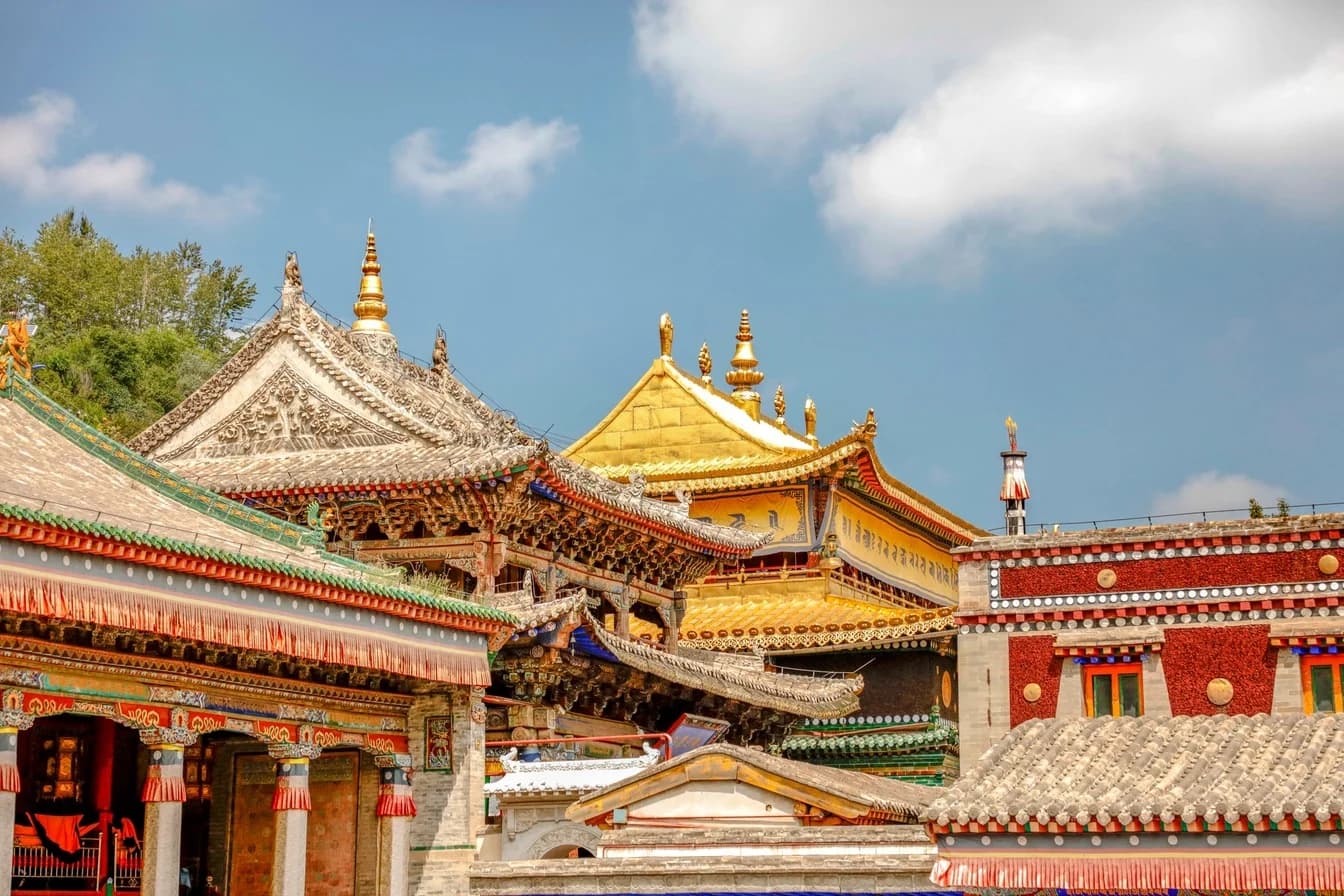
Ta'er Temple
Located just outside Xining, Ta'er Temple — also known as Kumbum Monastery — is one of the most important centers of Tibetan Buddhism. Built on the birthplace of Tsongkhapa, founder of the Gelug school of Tibetan Buddhism, it has been a major pilgrimage site for centuries.
The monastery is renowned for its beautiful blend of Tibetan and Han architecture, as well as its extraordinary religious artworks, particularly its intricate butter sculptures, colorful murals, and delicate embroidery. Even for non-believers, its atmosphere offers a fascinating glimpse into the spiritual traditions of the Tibetan Plateau.
Kekexili Nature Reserve
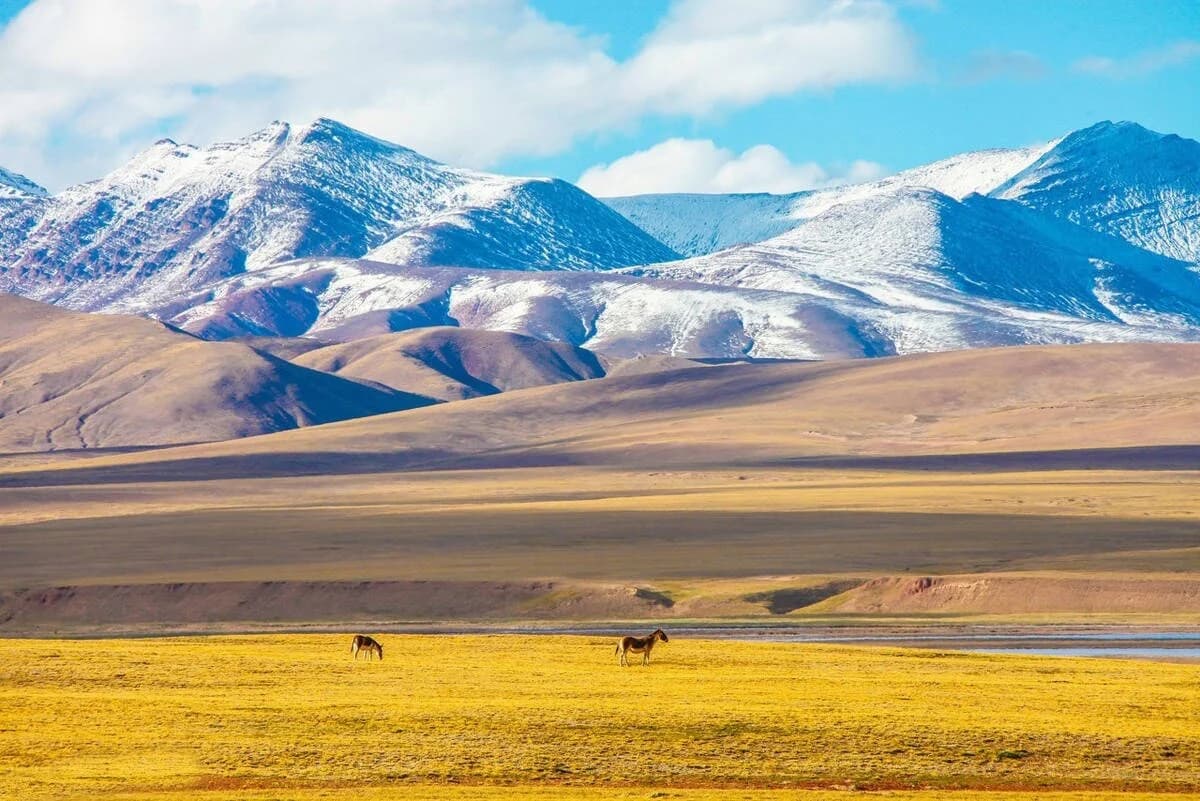
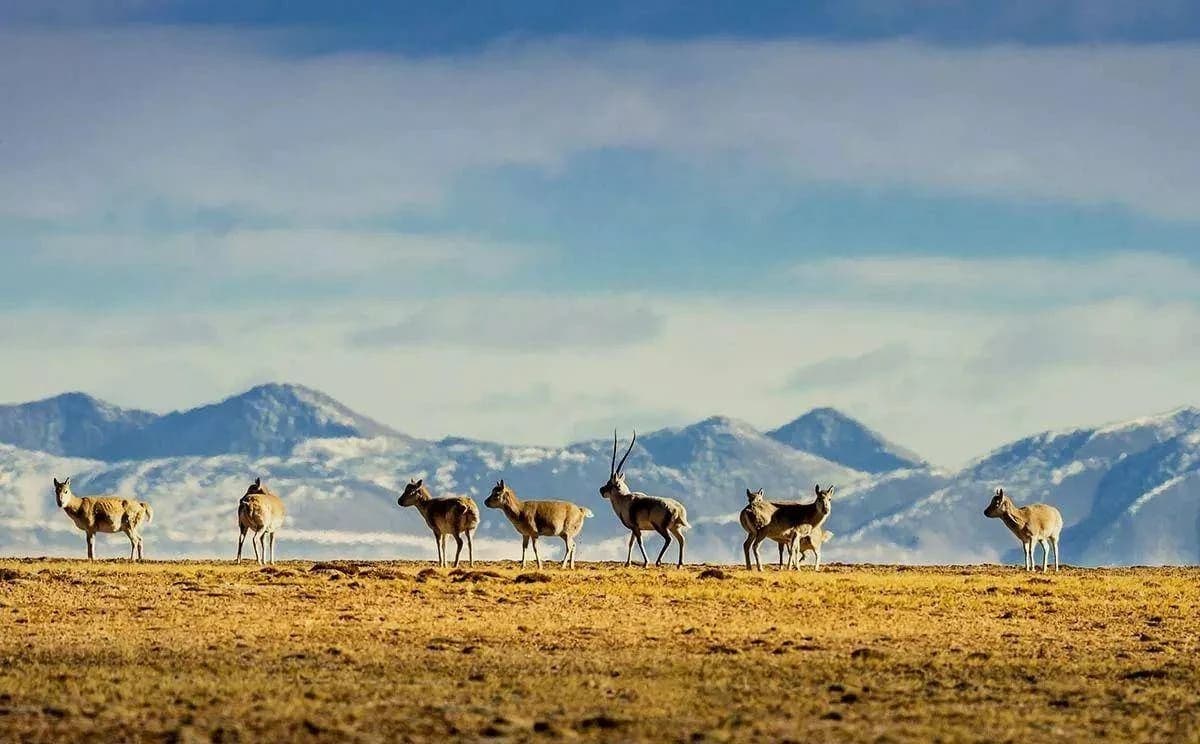
Far to the southwest lies Kekexili, one of the most remote wilderness areas on Earth. Covering a vast expanse of the Tibetan Plateau at an average altitude of over 4,500 meters, it remains largely untouched by human development.
This harsh yet beautiful landscape plays a vital role in preserving biodiversity. It provides a sanctuary for rare species such as the Tibetan antelope, wild yak, and snow leopard, and is one of the last places where wildlife can still roam freely across immense, uninterrupted landscapes. In 2017, its exceptional ecological value earned it UNESCO World Heritage status.
For many Chinese families, Qinghai has become a cherished summer refuge from the oppressive heat and humidity of the eastern coast. Yet beyond its pleasant climate, what makes the province truly remarkable is the sense of space, serenity, and connection to nature that it offers. Whether gazing across the endless blue waters of Qinghai Lake, wandering through the halls of Ta'er Temple, or contemplating the vast wilderness of Kekexili, visitors are reminded of how immense and diverse China truly is. As I continue sweating through the Parisian summer, I can only look at my parents' photos with envy — and perhaps start planning my own escape to Qinghai.